How to Choose a Ring: Tips for Selecting the Perfect Jewelry Piece
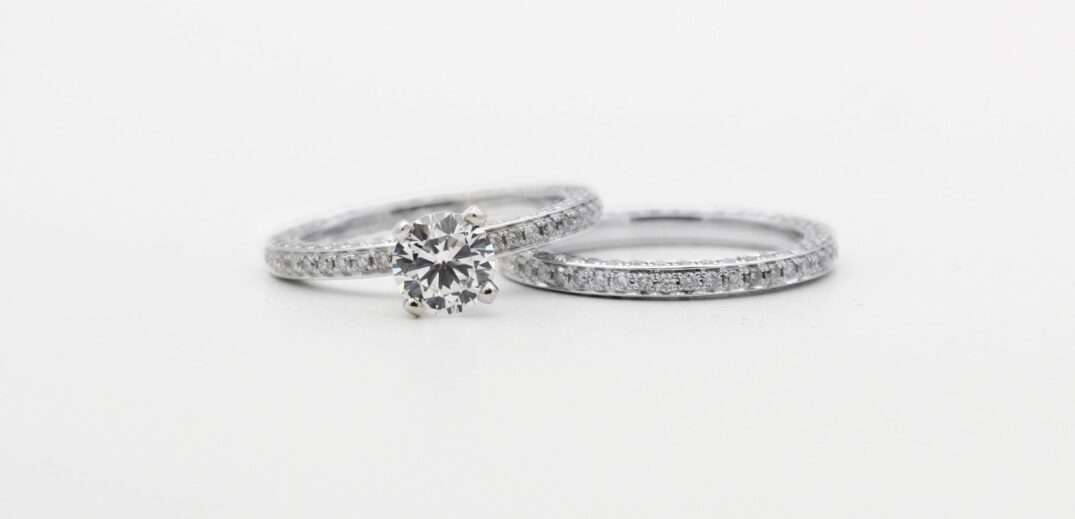
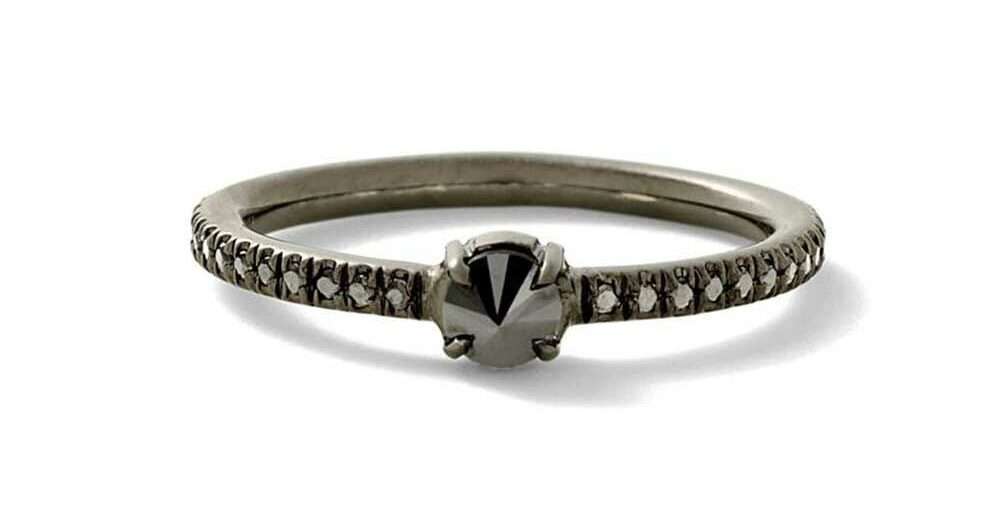
Choosing a ring is easier when you start not from the display case, but from the purpose: for everyday wear, as a gift, for engagement, or as an accent piece for an outfit. First, look at size, fit, metal, stone shape, and how comfortable the ring is to wear daily. Then choose fashionable details: oval stone, wide band, baguette setting, yellow gold, or personal engraving.
Where to Start to Choose a Ring Without Mistakes
The most common mistake is choosing jewelry based only on photographs. Even a beautiful ring can turn out to be uncomfortable, too high, catch on clothing, or visually not suit the hand. Therefore, before purchasing, it’s useful to answer four questions: what occasion is the ring for, how often will it be worn, what style is preferred, and what size is actually needed.
- For everyday wear, more comfortable and stable models without overly high settings work better.
- For gifts and engagements, versatility, comfort, and the ability to guess the size are more important.
- For fashion looks, you can be bolder in choosing accent shapes, large stones, and unusual geometry.
- If the ring is being bought for long-term wear, comfort always takes priority over just photo appeal.
What Rings Are Currently Chosen Most: Shapes and Details That Are Trending
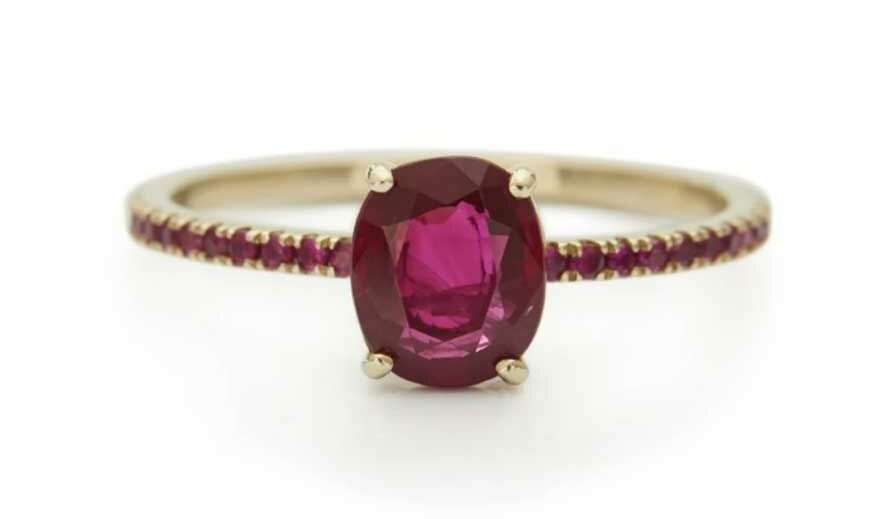
According to current searches and fresh jewelry reviews, interest most often grows for rings with oval stones, elongated silhouettes, wide bands, baguette settings, and personalization. People are increasingly looking not just for beautiful jewelry, but for models that look modern while being suitable for actual wear.
If you want to choose a ring that won’t look like a random purchase, today these options look particularly good:
- oval and elongated stones that visually make fingers more elegant;
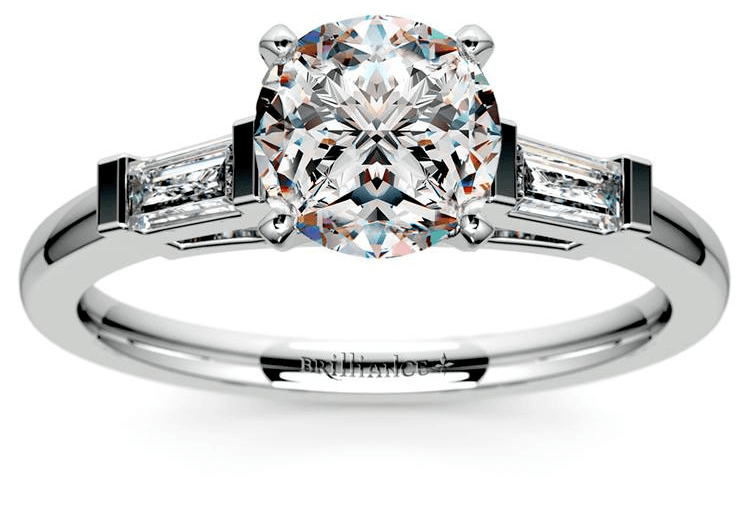
- baguette pavé and accents, if you want a more graphic, clean design;
- wide rings and stacking combinations, when several thin models are worn together;
- yellow gold and warm metal tones;
- personal details: engraving, symbol, date, stone chosen for meaning rather than just color.
How to Choose a Ring Based on Hand and Finger Shape
There’s no universal ring for everyone, so visual fit is very important. On long thin fingers, both minimalist rings and models with larger center stones look good. If fingers are shorter or wider, elongated shapes often work better: oval, marquise, pear, vertical stone compositions.
Wide rings can look very beautiful, but they require care: on small hands, an overly massive band sometimes makes the hand look heavier. Medium-width rings with soft geometry usually work more safely and combine easier with everyday clothing.
How to Choose Ring Size Without Making Mistakes
Even perfect design won’t help if the ring fits uncomfortably. Therefore, size isn’t just a formality, but one of the main parts of selection. If you’re choosing jewelry for yourself, it’s better to measure ring size online in advance or check values using the international ring size chart.
If the ring is wide, the comfortable size sometimes differs from the usual one by half a step. This is normal: a wide band sits tighter. It’s also useful to remember hand temperature: in heat, fingers often swell slightly, while in cold they become narrower.
How to Choose a Ring as a Gift
When buying a ring as a gift, not only style and budget matter, but also versatility. It’s safest to choose models that aren’t too complex in shape, don’t have excessively high settings, and suit different looks. If the size is definitely unknown, it’s useful to check our advice on how to find out ring size secretly.
For gifts, these usually work best:
- laconic rings with one expressive detail;
- oval, round, or soft geometry instead of overly complex fantasy shapes;
- classic metals and calm stone tones;
- models that can be worn both daily and for special occasions.
What’s More Important When Buying: Stone, Metal, or Comfort
In practice, balance usually wins. Metal affects the overall character of the jewelry, stone affects mood and accent, and comfort affects whether you’ll actually wear this ring at all. For daily wear, models that don’t catch on clothing, don’t protrude too much, and don’t require constant careful movement are especially good.
If the jewelry is planned for “everyday” wear, it’s better to choose a ring that beautifully combines design and practicality. If you want a more striking option for special occasions or gifts, you can be bolder with expressive shape, color, and stone size.
Common Mistakes When Choosing a Ring
- Buying a ring based only on photos without checking fit and model height.
- Ignoring size for the sake of design.
- Choosing overly complex shapes when jewelry is needed for everyday wear.
- Trying to guess a gift without checking the person’s style and usual jewelry.
- Overestimating trends and underestimating comfort.
Conclusion
The perfect ring isn’t just a fashionable model, but jewelry that fits in size, character, lifestyle, and purchase purpose. If you start with practical criteria and then choose shape, metal, and trendy details, finding a good option becomes much easier. And if you want to approach the purchase more precisely, start with tips and answers and size checking—this saves time, nerves, and money.