Rings Made in USSR
Asceticism and Luxury of Bygone Years
Many of us have Soviet-era jewelry stored in our jewelry boxes. For some, these represent relics of the past, while others keep these old pieces as heirlooms from close relatives or parents’ wedding rings. If you still have such rings and are interested in measuring their size, you can do so on our home page. All jewelry from this period bears certain stylistic imprints and has quite an interesting history. Particularly fascinating is the past of rings that were Made in USSR.
USSR Rings
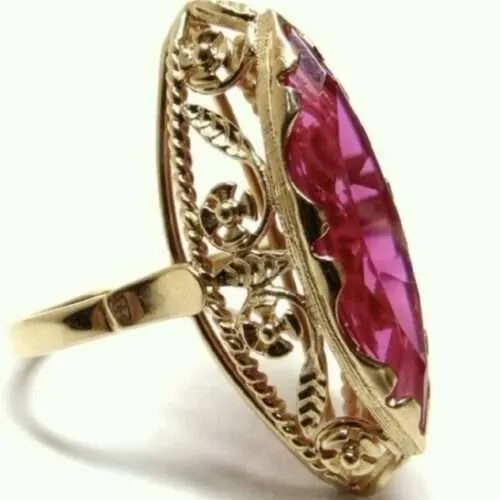
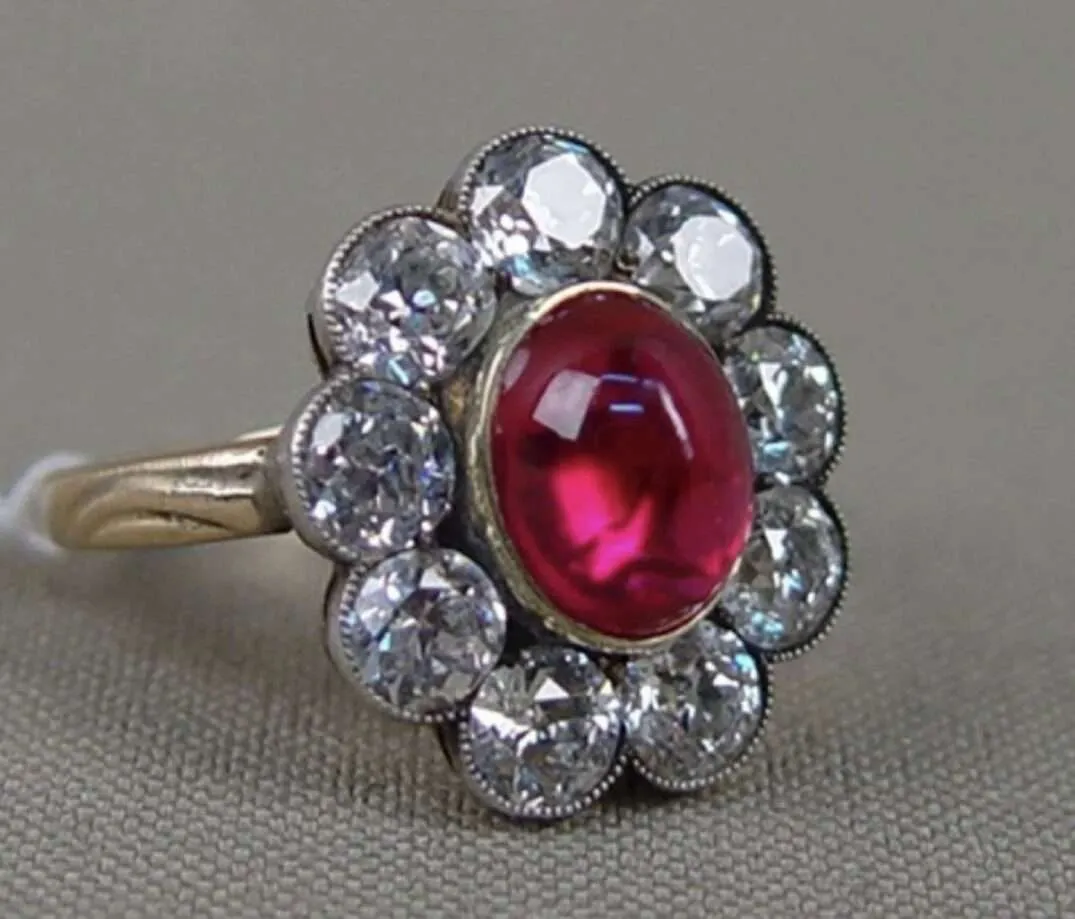
The main distinguishing feature of the USSR ring jewelry era is rightfully considered to be the use of large synthetic stone insets that added special luxury to simple and unpretentious designs. For example, “Shahinya” and “Marquise” rings typically featured synthetic alexandrite or corundums, with openwork ornamentation around the perimeter of the stone and on the sides of the ring. The finer and more elegantly these golden lines were crafted, the more they were valued by women. Many still consider these “red eyes” (as these decorative elements were nicknamed by the people) to be real treasures and are greatly surprised when pawnshop employees don’t recognize them as natural rubies, alexandrites, and sapphires. However, all these bright and large stones are simply synthetic corundums with no particular value.
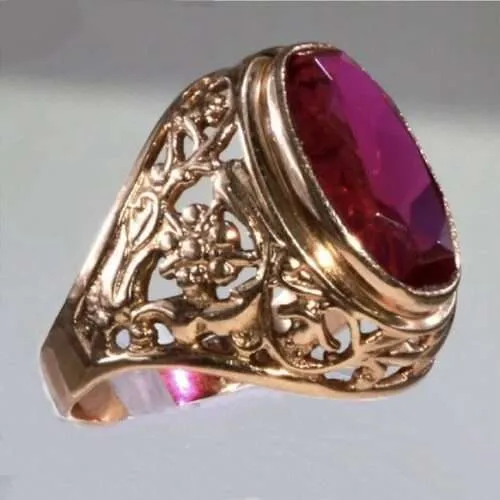
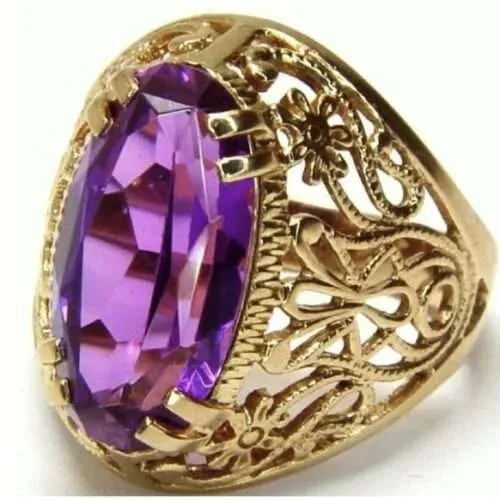
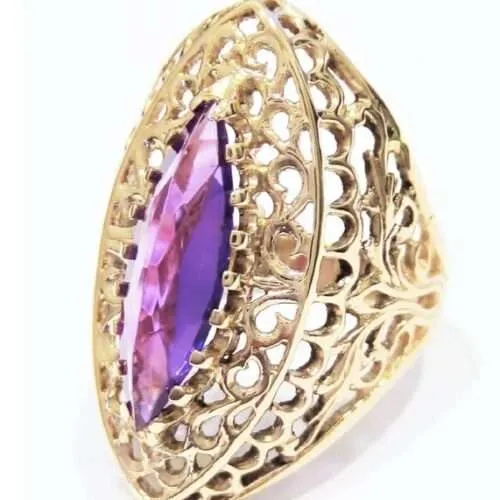
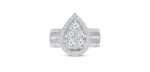
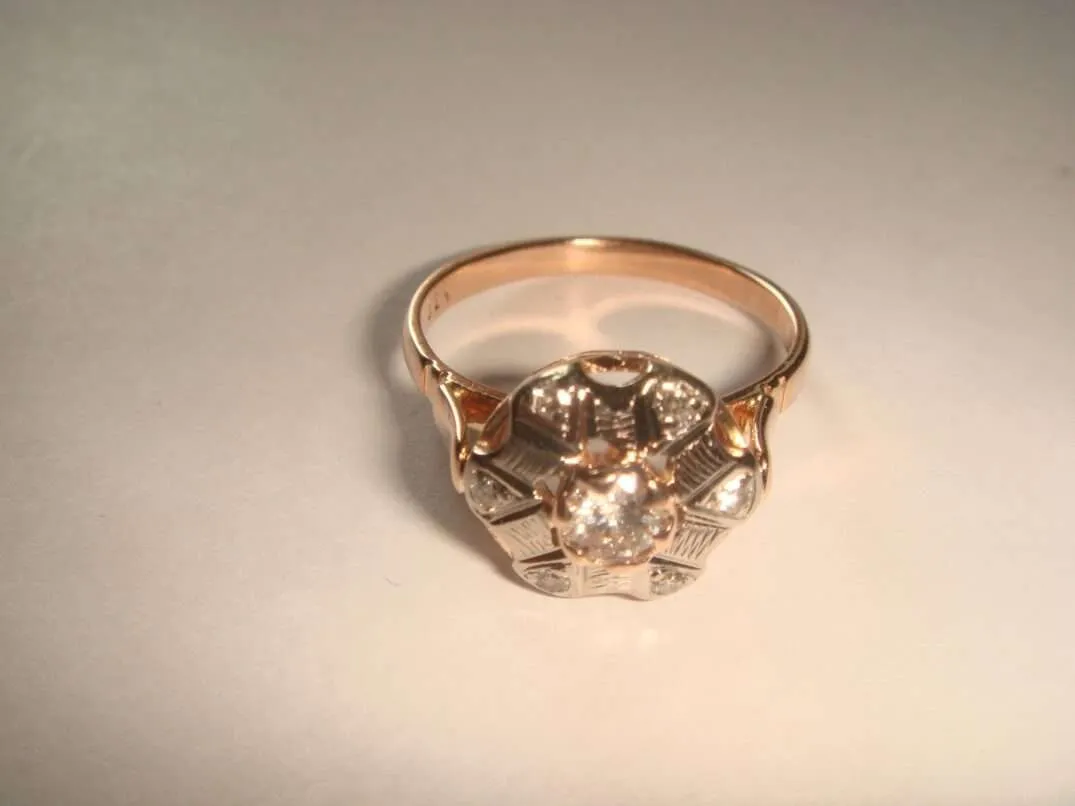
However, rings in the USSR weren’t only made with artificial insets. One interesting feature of jewelry at that time was the setting of diamonds in platinum. White gold didn’t exist yet, and rhodium plating wasn’t done. That’s precisely why this dense and refractory metal was used to give stones additional brilliance and more reliable fixation.
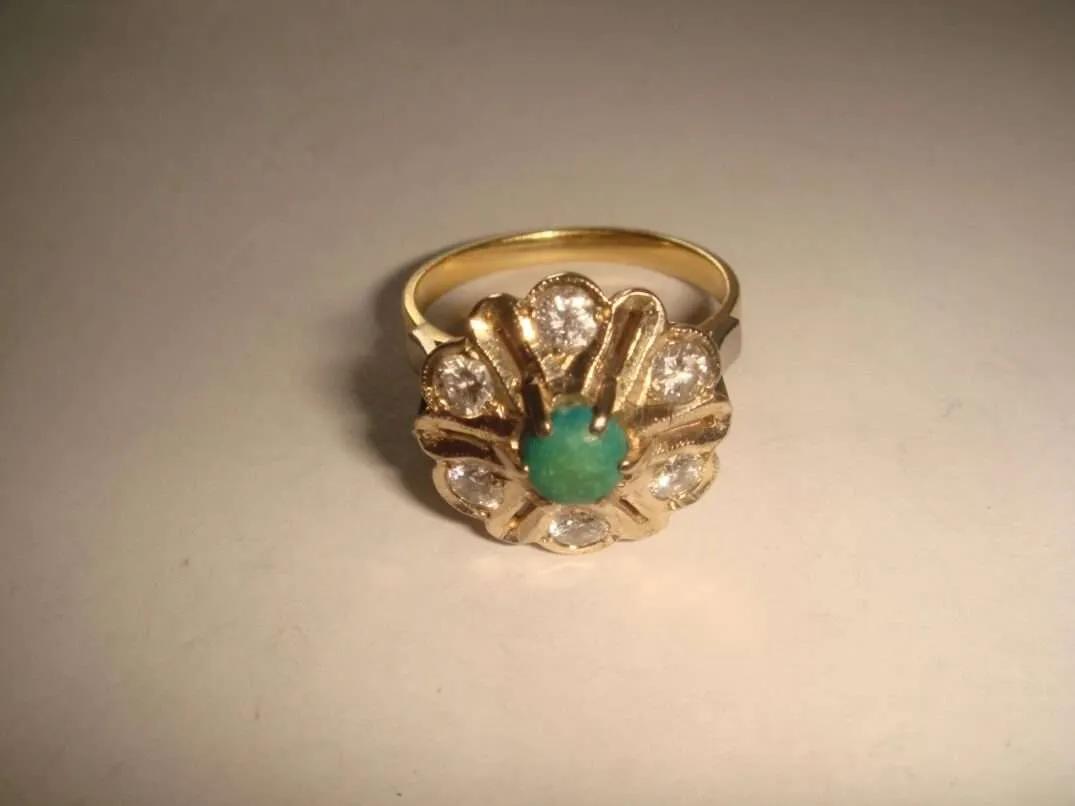
Soviet jewelry was often obtained through connections, so to speak, “under the table.” At that time, 375-grade gold was actively used, which made precious accessories more affordable. But there was also real luxury during Soviet rule, obtaining which was considered great fortune. Sometimes in our mothers’ and grandmothers’ jewelry boxes, one can find rings with natural sapphires, rubies, and emeralds. The latter, incidentally, were often cut as cabochons – round or oval completely smooth stones. Now this type of precious stone processing is practically not used.
In Soviet times, “malinka” rings were considered particularly chic. This is a model with a large central stone surrounded by diamonds. Most often a sapphire played the starring role in such pieces. But there were also cheaper variants with artificially grown stones.
Wedding Jewelry and Its History
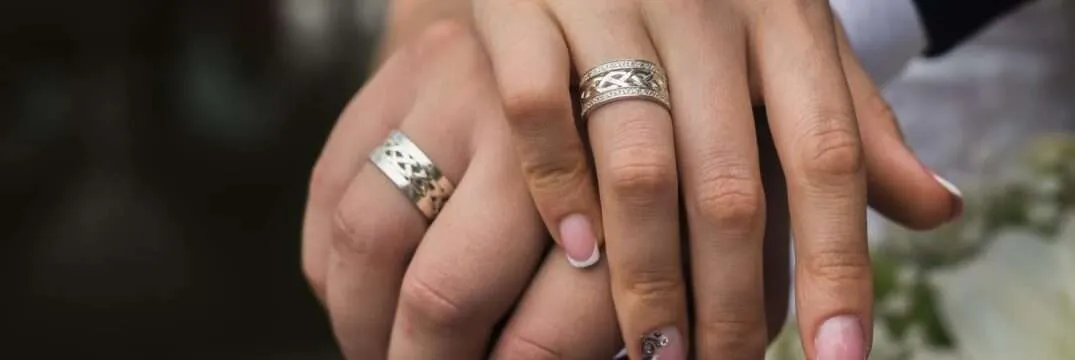
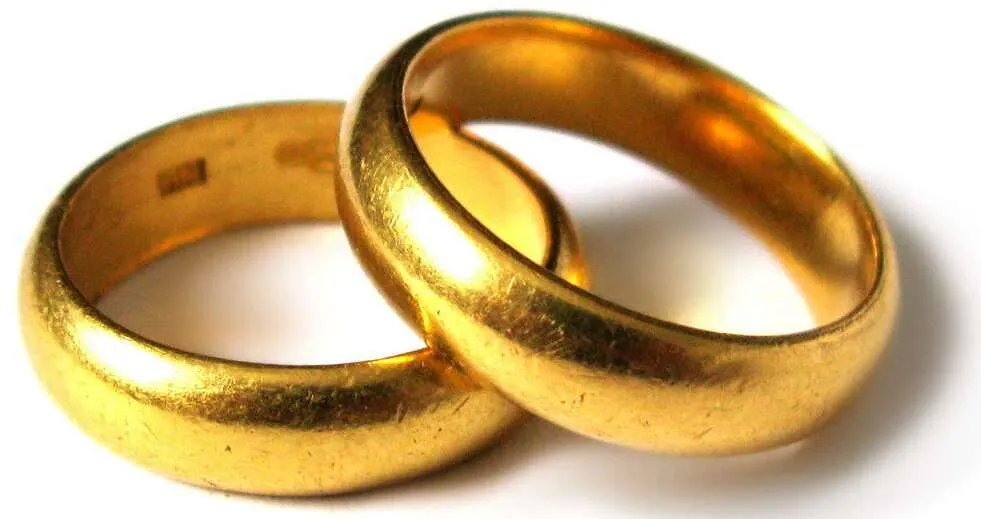
USSR wedding rings deserve special mention. This accessory was always given particular importance. Even if a woman couldn’t afford gold earrings or a chain, this piece of jewelry was considered mandatory. However, it wasn’t always this way. From the 1920s to 1930s, wedding rings were considered symbols of bourgeois remnants. Moreover, in those times, any jewelry made of precious metal could easily be confiscated by force. Therefore, spouses would marry by simply signing the appropriate documents. There was no ceremonial regalia whatsoever. When the situation in the country became more or less stable, wedding rings regained their former relevance. However, most often people simply didn’t have the opportunity to buy a gold piece even from low-grade alloy. Therefore, jewelry factories adapted to the needs and began manufacturing products from brass.
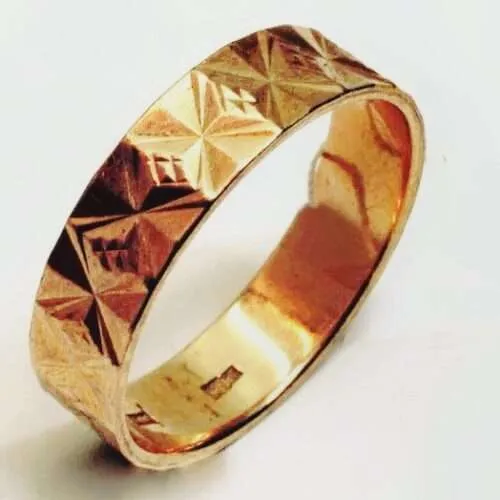
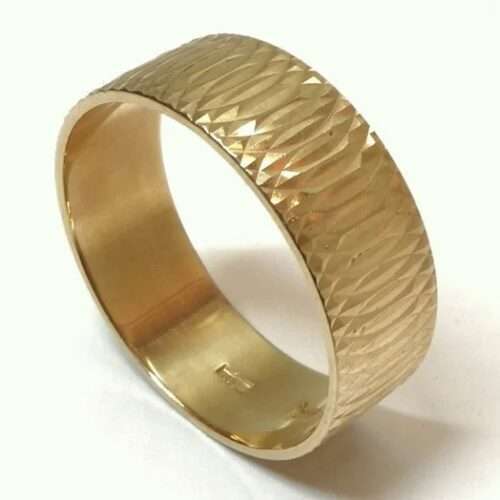
In the USSR, all wedding rings were exclusively smooth. But fashion for these pieces still changed over time. In one period, only thin models were worn. Then wide rings became fashionable, occupying almost the entire phalanx. If such a luxury was beyond the couple’s means, they had to resort to a little trick. The piece would be rolled out and turned into a wider one by thinning it out. Such models were quite fragile and sometimes deformed from any careless movement.
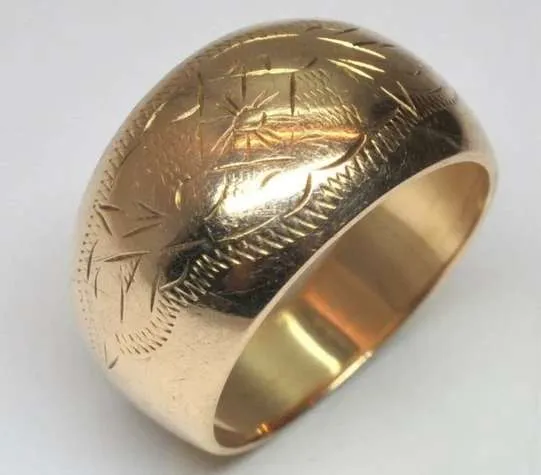
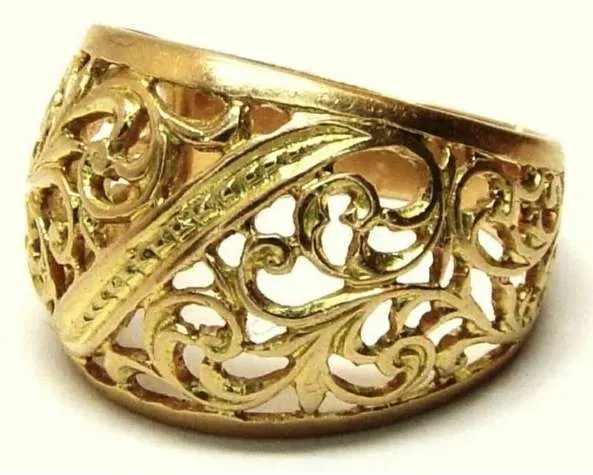
Soviet custom-made wedding rings crafted from high-grade gold can often be found. Usually such variants were made from tsarist coins that miraculously survived after dekulakization. However, jewelry made by private craftsmen could well have an internal secret known only to the master. Sometimes jewelers would take part of the gold for themselves and pour foreign metal into the jewelry for weight. Therefore, among USSR wedding rings, fakes that don’t maintain the declared grade or hide filling with no value inside are not uncommon.